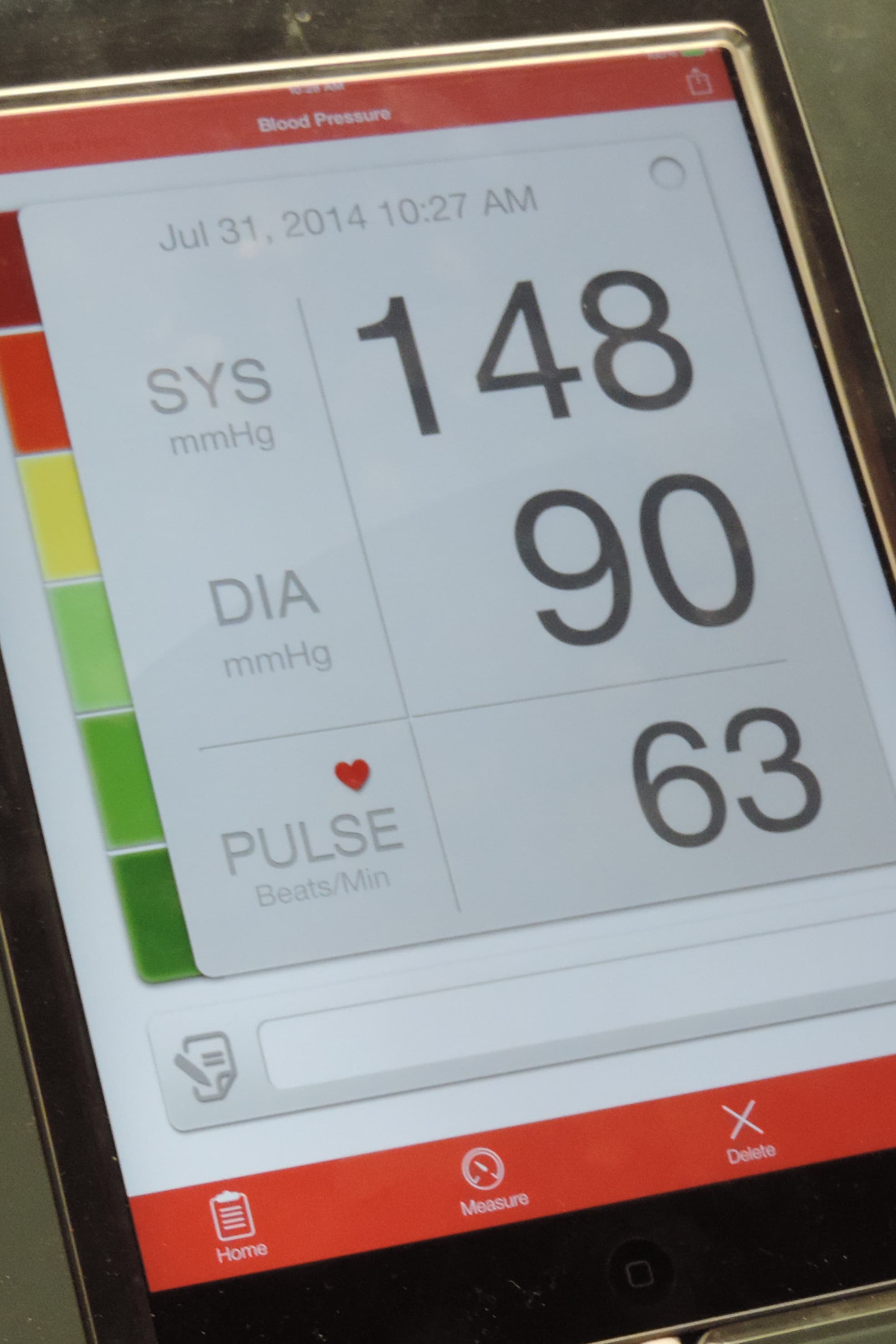
A study presented at the American Heart Association's Hypertension Scientific Sessions 2024 demonstrated the effectiveness of a remote monitoring program with pharmacist interventions for managing difficult-to-control high blood pressure. Conducted by Geisinger Health in Pennsylvania, the research showed that up to 74% of participants with resistant hypertension, including those with chronic kidney disease, improved their blood pressure control within 12 months.
The ConnectedCare365 Hypertension Management program provided patients with Bluetooth-enabled remote blood pressure monitoring devices that transmitted data to a centralized monitoring center. This approach allowed for consistent messaging and comprehensive patient education on device use and communication. Dr. Alexander Chang, the senior study author and associate professor at Geisinger Health, emphasized the program's unique features in developing a model that builds on telemonitoring and pharmacist involvement to control blood pressure in high-risk patients and reduce hospitalizations.
Within six months, 67% of patients achieved blood pressure control below 140/90 mm Hg, increasing to 74% by the 12-month mark. Systolic blood pressure reductions were particularly notable, with patients experiencing average decreases of up to 3.3 mm Hg per month depending on initial readings. A key component was pharmacist involvement, with two-thirds of patients engaging in telehealth encounters with pharmacists, associated with a 1.3 mm Hg per month decline in systolic blood pressure over time. During the study, 46% of patients had medication adjustments and 37% were prescribed new medications.
The program's impact extended beyond blood pressure control, with patients experiencing fewer hospitalizations during the study period compared to the previous 12 months. Dr. Chang highlighted the importance of home blood pressure monitoring integration with healthcare teams, noting that self-measured readings often don't reach healthcare providers, causing medication adjustment delays. The physician-pharmacist collaborative model with centrally monitored home blood pressure readings addresses these issues.
The study included 205 adults with an average age of 62 years, with 53% having chronic kidney disease at enrollment, underscoring the program's potential for high-risk patients. Dr. Wanpen Vongpatanasin, professor at UT Southwestern Medical Center and clinical chair of the Hypertension Scientific Sessions 2024 Executive Committee, praised the program's team-based care approach including remote pharmacists as a feasible option to increase access. The findings signal a way to reduce hospitalization and improve blood pressure control.
While the study has limitations including using patients as their own control group and requiring internet access, its real-world setting provides valuable insights for future hypertension management strategies. As healthcare systems grapple with chronic condition management, this research offers a promising model for improving patient outcomes and reducing healthcare resource burden. The findings could have far-reaching implications for resistant hypertension management once published in a peer-reviewed journal.